What I Learned Teaching Brazilian Doctors About AI | Episode 76
Dispatches from Curitiba: Why medical deans are racing to bring back Socratic friction to save human cognition
Live From Curitiba
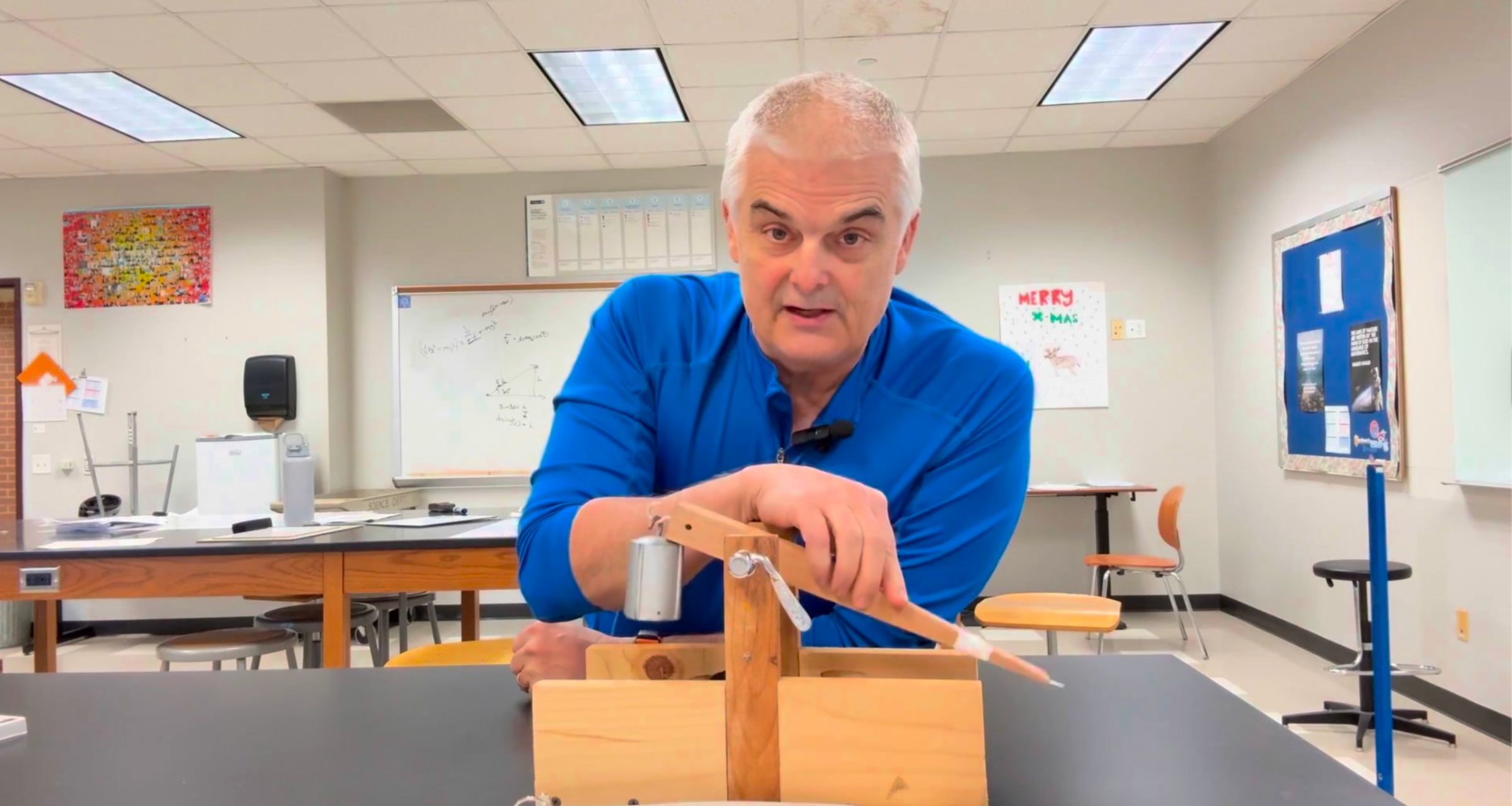
I am standing in my hotel room in Curitiba, Brazil, completely energized and absolutely exhausted. I just wrapped up delivering two keynote addresses to an international group of medical educators, doctors, deans, and medical students about the MasteryFlip framework.
To be completely honest, it is deeply humbling that a high school science teacher from Colorado would be flown down here to have these brilliant medical minds listen to my blueprint. But as I stepped off the stage, a jarring realization hit me: The border lines don’t matter. The age gap doesn’t matter. The language doesn’t matter. The crisis facing education is completely universal.
Whether you are teaching sophomore chemistry or third-year neurosurgery, students everywhere are aggressively pushing the “Easy Button” of AI, and professors everywhere are staring back at the exact same “AI Glaze”.
The Two Medical Students (Listen at 01:24)
During the Q&A sessions, two distinct interactions perfectly illustrated the psychological battle happening in our classrooms right now:
-
The AI Defender: A third-year medical student stood up and challenged me, wondering if my perspective was just a generational gap (she basically called me old, which got some great laughs). She fiercely defended her use of AI, arguing that her medical school workload was so overwhelming that she had no choice but to use it to survive. We had a brilliant, productive conversation afterward about where technology is useful and where it becomes toxic to actual learning.
-
The AI Fearful: A different medical student stood up on the second day and expressed the exact opposite anxiety. She said, “I’m terrified to use AI because I want to be the absolute best doctor I can be, but my professors assign so much reading that I am completely drowning.”
What I told her next had the entire room of medical faculty laughing and nodding along: I looked at her and said, “Look, you went to medical school, and it’s supposed to be hard. My gut tells me you need to manually read the material... because someday, you might be the doctor treating me.”
Bringing Back Socratic Friction (Listen at 03:52)
The biggest takeaway from the trip came from a conversation with the Dean of the College of Medicine. He pulled me aside and said we must violently fight to protect friction and productive struggle in the learning process.
The medical leadership here isn’t just intrigued by the MasteryFlip model; they are actively deploying it. In fact, one visiting medical director announced that his faculty is going back this Monday to completely redesign their small tutorial sessions around Mastery Vivas (interactive oral examinations) to bypass AI cheating.
As the Dean brilliantly noted: “Jon, what you are doing isn’t new. Socrates did this.” That is the heart of the movement. MasteryFlip isn’t about chasing the next tech fad; it is about bringing old-school, Socratic human dialogue back into the modern machine to preserve human cognition.
The Tower of Babel vs. The Way of Nehemiah (Listen at 07:05)
During my long layover in São Paulo, I read the new 42,000-word encyclical/treatise by Pope Leo on artificial intelligence. It is a masterful, profound piece of writing that sets a historic baseline for this civilizational shift.
In it, he contrasts two biblical narratives.
-
The Tower of Babel: Built on rapid consumerism, human pride, and isolation. The Pope warns that our current tech trajectory is building a modern Babel that threatens to completely dehumanize us.
-
The Way of Nehemiah: A movement built on collective collaboration, shared purpose, community, and human dignity to rebuild what was broken.
We have a direct civilizational choice to make in our schools. Do we choose the easy, automated isolation of Babel, or do we stand up and build the collaborative, deeply human way of Nehemiah?
The Delayed Harvest (Listen at 12:01)
I closed my international keynote with a story that happened to me just a week ago at my home church in Houston. A young woman I didn’t immediately recognize walked up to me and said, “Mr. Bergmann, I had you six years ago for chemistry. I’m starting pharmacy school this fall, and you are one of the reasons I am where I am today.”
Teachers, we are in a delayed-harvest profession. You might be bone-tired, navigating administrative nightmares, and fighting AI shortcuts at the grading desk. You may never get a student who tracks you down in the wild to say thank you. But please hear me: What you are doing matters, and the echoes of your work travel further than you will ever know.
The Road Ahead
I land back in the States early Saturday morning, hit the wedding of the spectacular teacher who works in the room right next door to me, and then I am officially off grid.
My 17-day, 750-mile bicycle ride through the canyons begins. I will be recording raw updates from my bike seat for a few weeks coming up.
(Note: I did record both 45-minute keynotes here in Brazil, and I will be releasing them as special extended masterclass editions later this summer once they are edited!)
Don’t hit the easy button this summer. Hit the subscribe button, unplug your computer, and let’s start the reset.
Ride on,
Jon
00:00 - Live from Curitiba: High School Methods in Medical School
00:53 - Explaining the “AI Glaze” to Deans and Doctors
01:24 - The Student Q&A: Overloaded Workloads vs. The Easy Button
02:42 - Why Medical Students are Afraid to Shortcut Their Learning
03:52 - Reclaiming Socratic Friction: Medical Schools Adopt Mastery Vivas
05:28 - Out of My League? Navigating Faculty Development Globally
07:05 - The Pope’s AI Warning: The Tower of Babel vs. The Way of Nehemiah
09:54 - Rehumanizing Education: Overcoming the Dehumanizing Tech Push
12:01 - The 6-Year Harvest: A Surprise Encounter with a Former Student
13:50 - The Next Step: Home for a Wedding, Then the 750-Mile Bike Ride
Jon's created several courses that will help you in the age of AI. Each short course will help you become a better teacher.